Experience
LIFE IN NEW ZEALAND
Geography
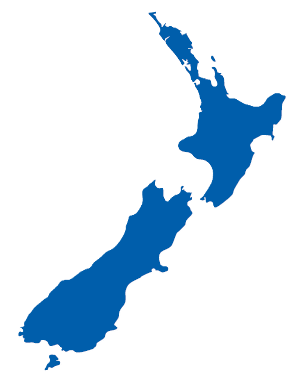
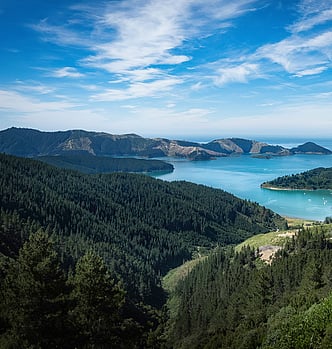
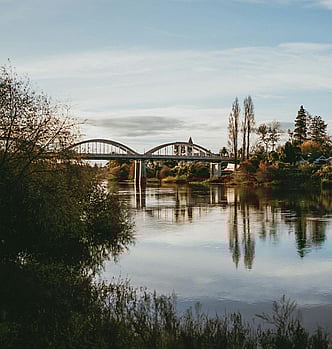
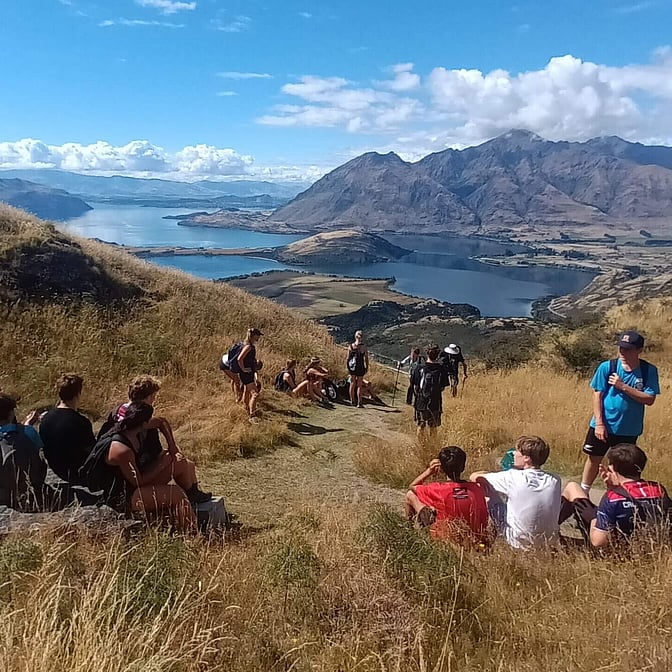
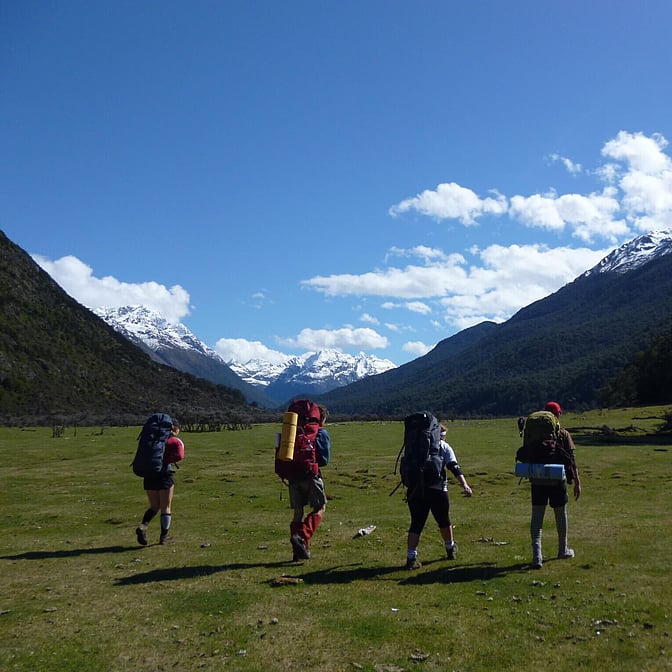
Situated in the South Pacific, New Zealand is a genuinely beautiful country with a landscape that contains an amazing variety of landforms. It includes rolling green countryside, beautiful still lakes, rivers full of white water excitement, active volcanoes, glaciers, world-class surf beaches and native forests. Nowhere else will you find so many different landscapes all in such close proximity.
The two main islands, the South Island and the North Island, are together about the size of Great Britain or Japan. However, a population of only 5.3 million makes the population density only 18 people per square kilometre, as opposed to 281 sq km in Great Britain or 347 sq km in Japan. About 75% of New Zealand’s population lives in the North Island, with just over 1.7 million (2026 figures) people living in the Auckland urban area.
Seasons & Climate
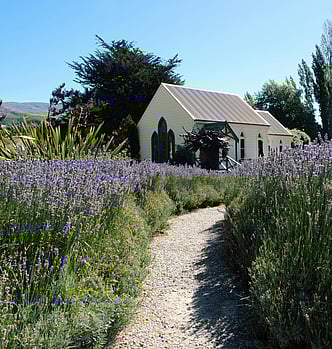
New Zealand has a temperate climate, with mild winters and warm summers, though weather conditions vary across regions. The North Island tends to be warmer, with subtropical conditions in areas like Auckland and the Bay of Islands.
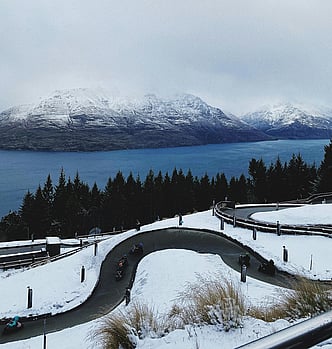
The South Island is cooler and home to the Southern Alps, where snowfall in winter makes it a prime destination for skiing and snowboarding. With four distinct seasons and unpredictable weather, the country offers year-round outdoor activities, from hiking in summer to snow sports in winter.
New Zealand’s seasons are the reverse of those in the Northern Hemisphere:
Summer: December to February
Autumn: March to May
Winter: June to August
Spring: September to November
Living & Studying
If adventure is what you’re looking for, New Zealand is the place to find it. New Zealand is a small country and a young nation, with a unique mix of culture, natural resources and people that make it a fantastic place to live. Warmth and hospitality will meet you at every corner as New Zealanders, often referred to as kiwis, extend their hand of welcome.
You’ll appreciate all New Zealand has to offer during your stay, from a vast and diverse landscape of wide open spaces, to a friendly and relaxed way of life. Nowhere else can a small country offer so much.
New Zealand offers a world-class education system with high-quality schools and education providers at all levels of study.
Many international students choose New Zealand for its safe environment, excellent academic standards, and strong support services. With a focus on practical learning and industry collaboration, graduates gain skills that meet global workforce demands while enjoying the country’s natural beauty and vibrant lifestyle.
NZ lifestyle
Homestays
Living in a New Zealand home gives international students the best opportunity to experience New Zealand culture and lifestyle first hand. Students are made to feel like a member of a New Zealand family and are expected to participate in family life. Close bonds are usually formed between host families and international students, making for an enriching experience for all those involved.
Host families are all chosen carefully and offer a safe and caring environment.
Shopping and Food
New Zealand shops are open most days of the year. Many shopping malls are open seven days and late on Thursdays and/or Fridays. Petrol stations, some takeaway food outlets and some supermarkets are open 24 hours a day.
The multi-cultural aspect of New Zealand means that a wide variety of food is available and there are many restaurants, cafés and bars representing all nationalities.
Transport
Most New Zealanders travel by car rather than public transport, due to the small population and high level of car ownership. However, reliable public transport such as bus and train services are available in and between most towns and cities. Regular ferry services operate between the North and South Islands, and air travel is extensive and regular.
Money
New Zealand has a wide variety of banks and banking services. Most banks are open between 9am and 4:30pm. Outside of those hours, customers can access Automatic Teller Machines (ATMs) to withdraw and deposit funds. Most banks also offer telephone and internet banking services, and Electronic Funds Transfer at Point of Sale (EFTPOS) is available at most retail outlets. The international direct debit systems, Cirrus and Plus are available throughout New Zealand and all major credit cards are recognised.
The cost of living in New Zealand is reasonable, making it well within the financial abilities of most visitors.
International Student Insurance
All International students studying in New Zealand are required to have International Student Insurance during their stay in New Zealand. The ODENZ group of schools recommends the use of Unicare and can provide information about its policies and premiums.
New Zealand's Education System
Schooling in New Zealand is compulsory for those aged between six and 16 years. However, most New Zealanders begin primary school at age 5, participating from pre-school through to tertiary education.
Years 1 to 6 (5 to 10 years old) are spent at primary school
Years 7 and 8 (11 + 12 years old) are spent at intermediate school
Years 9 to 13 (13 - 17 years old) are spent at secondary school.
Secondary school generally runs from 8:45 am to 3: 15pm, Monday to Friday. Students may attend either a co-educational or single sex school, depending on what is available in their area. Academic subjects are offered along with physical education, arts, health, music and technology.
During the senior years (years 11 to 13), students work toward the National Certificate of Educational Achievement (NCEA). This is an internationally recognised qualification that can be used to gain university entrance. The NCEA is based on achievement standards derived from the national curriculum and is assessed both internally and externally.
Many schools also offer Secondary Tertiary Alignment Resource (STAR) courses. These provide students with courses of study and/or workplace experience that lead to skills and qualifications. The range of subject and skill areas supported by STAR vary from school to school, but popular subject choices include hairdressing, childcare, electro-technology, first aid, life skills, tourism, automotive technology, agriculture, horticulture and food technology. If chosen, STAR courses would be an additional cost for international students.


New Zealand’s
Languages & Traditions
New Zealand’s first official language is English. All ODENZ schools use English as the main language of instruction.
Te Reo Maori is the other official national language. Students should expect to be involved in some Maori cultural events during their stay. Powhiri (Maori welcomings) are common when international students arrive. Many schools include Maori songs in their school singing and the haka (Maori war dance) is commonly performed before sporting events.
Pacific Island and Asian cultures are also prominent in New Zealand. International students are likely to be exposed to these cultures and a number of their languagues.
Non-English languages such as French, German, Japanese and Spanish are offered in most New Zealand schools.

International Student Services
The New Zealand Government has set high standards for all institutions that work with international students. The New Zealand Qualifications Authority (NZQA) requires that all providers of education to international students be signatories to a code of practice, which ensures that students are well informed, safe, and properly cared for.
All ODENZ members are signatories to The Education (Pastoral Care of Tertiary and International Learners) Code of Practice 2021 (the Code), and welcome your enrolment. You will receive a summary of the code with your enrolment material.
Copies of the code of practice are available online at https://www.nzqa.govt.nz/providers-partners/tertiary-and-international-learners-code/
In addition to the code of practice, each ODENZ school is required to provide top quality international student support services, including orientation, specialist counselling, language support and accommodation.

Connecting education with the landscapes of New Zealand.
Contact
For further Information regarding studying in New Zealand, contact:

